In today’s fast-paced life, stress has become a common problem. Our bodies can handle short-term stress, but long-term stress negatively affects both our health and mind.
Everyone’s ability to tolerate stress is different. Some remain calm even under high stress, while others get troubled by less. Understanding and managing stress is essential for everyone.
Let’s look at the common symptoms of stress, its negative effects on the body, and ways to overcome it.
20 Common Signs of Stress
If you experience several of these symptoms, pay attention to your stress levels:
- Bad effects on the brain: Trouble thinking, poor memory.
- Not a morning person: Feeling unrested, not wanting to wake up.
- Poor sleep: Difficulty falling asleep, waking up frequently at night.
- High blood sugars: Blood sugar levels higher than normal.
- More belly fat: Accumulating fat, especially around the stomach.
- Heavy legs going up an incline: Fatigue or heaviness in legs when climbing stairs or heights.
- Inflammation: Unexplained swelling in joints or any part of the body.
- Loss of electrolytes: Deficiency of essential minerals (like potassium) in the body.
- Salt cravings: Craving salt more than usual.
- Susceptibility to infections: Getting sick frequently, catching colds easily.
- Autoimmune diseases: Worsening of conditions where the body attacks its own cells (like arthritis).
- Acne: Frequent pimples or acne breakouts on the skin.
- Asthma: Difficulty breathing, asthma attacks.
- Allergies: Increased allergic reactions.
- Sinus problems: Stuffy nose, pain or pressure in sinuses.
- Sleep apnea: Pauses in breathing during sleep or snoring.
- Osteoporosis: Weakening or reduced density of bones.
- Acid reflux: Stomach acid coming up into the throat, heartburn.
- Gastritis: Inflammation or irritation in the stomach lining.
- Gallstones: Formation of stones in the gallbladder.
The Negative Impact: How Long-Term Stress Harms Your Body
Long-term stress isn’t just a feeling; it’s a physical state that can harm every part of your body. When the main stress hormone, cortisol, stays high for a long time, it causes many negative effects:
- Brain & Mind: Memory and learning capacity decrease, thinking ability weakens, and fear increases. This hinders creativity and problem-solving.
- Immune System: It weakens, infections heal slowly, and inflammation can increase. Autoimmune diseases can start.
- Digestion & Weight: The risk of high blood sugar and diabetes increases. High cholesterol, fatty liver, and belly fat can increase, while muscles weaken.
- Stomach & Digestion: Digestion slows down, nutrients aren’t absorbed well, stomach acid decreases, and intestines get damaged. Problems like acidity and gallstones can occur.
- Heart Health: The risk of high blood pressure, irregular heartbeat, and bad cholesterol increases.
- Hormones & Fertility: Libido can decrease, fertility can reduce, and menstruation can become irregular.
- Detoxification: The liver’s ability to remove toxins decreases.
- Nutrient Absorption: The ability to absorb essential nutrients like Vitamin D can decrease.
- Muscles & Bones: Fascia (tissue around muscles) tightens, causing pain and poor posture. Bones can also weaken.
- Genes: “Bad” genes can be activated and “good” genes can be suppressed, increasing disease risk.
Reclaiming Your Calm: Simple Ways to Combat Stress
The good news is that you can tackle stress. Here are some effective methods:
- Shift Your Focus: Redirect your attention from big worries to small, solvable things (like puzzles, chess, or crafts).
- Stay with Good People: Spend time with positive and supportive people.
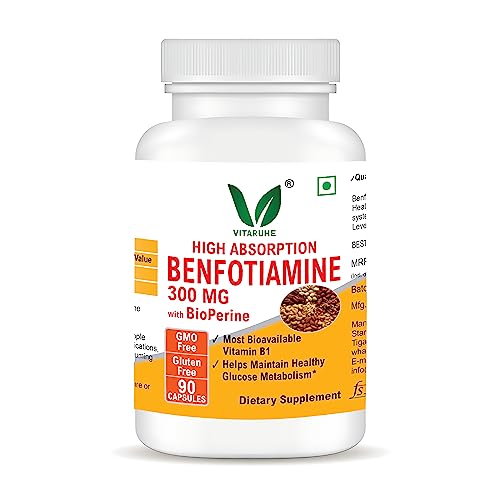
- Take Vitamin B1: Nutritional yeast helps reduce stress. If you suffer from anxiety, panic attacks, or restlessness, pure natural Vitamin B1 (Benfotiamine) provides immediate relief to your nervous system.
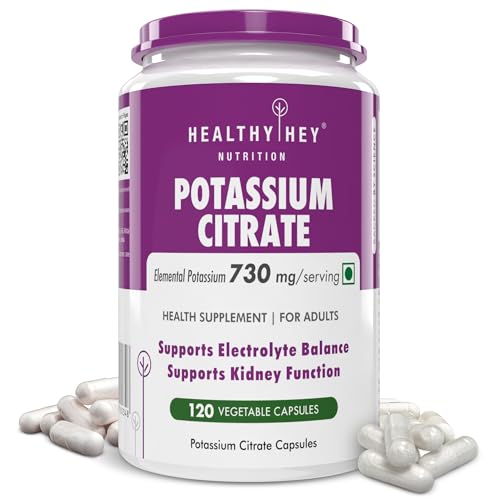
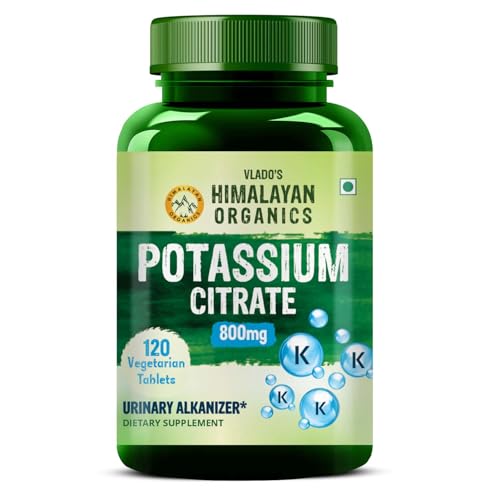
- Get Strength from Potassium: Eat more potassium-rich foods (like green salads) or take electrolyte supplements. Pure potassium tablets restore electrolyte balance in your blood and provide instant relief. Taking one tablet daily will maintain energy and keep muscles fit.
- Exercise Daily: Regular exercise reduces stress hormones and improves mood.
- Stay Away from News: Constantly watching negative news increases stress.
- Eat Low-Carb Food: This can improve mood and reduce anxiety.
- Change Your Perspective: Think positively about your surroundings and ignore fear-mongering news.
- Find Solutions, Not Just Problems: Focus on people and things that offer solutions and positivity.
- Get Closer to Nature: Spending time in nature brings peace and reduces stress.
- Try Acupressure: This can help release accumulated stress from the body.
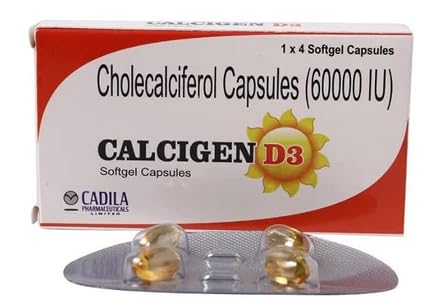
- Focus on Vitamin D: It offers some benefits similar to cortisol but without side effects.
Vitamin B1 (Benfotiamine) supplement – provides immediate relief to your nervous system:


Potassium tablets to restore electrolyte balance in your blood and instant relief:
Vitamin D3

Take Control of Your Stress
Stress is a part of life, but don’t let it dominate your health and happiness. By recognizing the symptoms, understanding the effects, and adopting these methods, you can reduce stress and feel more peaceful. Along with these measures, taking the right supplements can provide extra help to your body in fighting stress and recovering faster. Start small, keep trying, and remember that taking care of yourself is a journey.